|
| HONORABLE SENATOR JOE LIEBERMAN |
| Is The Political-Left Planning To Drop "The Star-Spangled Banner." |
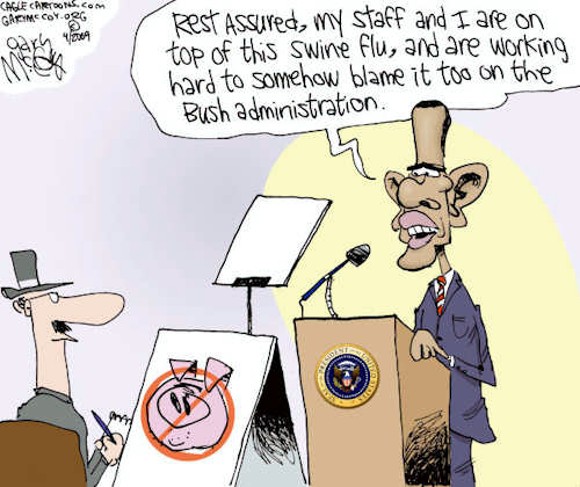
| Criticizing Obama Is Disobedience |
| Where do You stand with Chris Christie on the Issues |
| Insist on honesty in government and protection of our fundamental rights, Constitution |
| webmaster Jack Cunningham |
| BILL CLINTON'S TIMELINES |
| American Patriots are watching what happens... |
| AMERICANS WORKING TOGETHER |
| Hillary Clinton interned with Bob Truehaft, former head of the California Communist Party |
| Honorably discharged vet mocked in Supreme Court documents for having PTSD |
| Campaign to Recall Democrat Senator |
| Tell your senators how you feel, before it is too late |
| Government ethics and corruption is the number one issue for Americans |
| Its The End of the Road for What Barack and I Are Trying to Do |
| STOP OBAMA IN 2010 |
| Sen. Ted Kennedy, D-Mass., allegedly sexually assaulted a waitress |
| KGB Letter Outlines Sen. Kennedy's Overtures to Soviets |
| TED KENNEDY STARTED HIS POLITICAL CAREER IN COLLEGE |
| YouTube - ABC's John Stossel Destroys/Pulverizes/Crushes Obama's anti-American 'Health Care' Plan |
| HR 45 Gun Tax On Your Federal Income Tax Form |
| ~~ ** MEMORIAL DAY WEEKEND IN WASHINGTON DC ** ~~ |
| If you served on an U.S. Navy ship... |
| Troubled Homecoming for America's Military Veterans |
| War experiences of a combat veteran |
| Back on September 30, 1999, the New York TIMES Predicted Our Current Financial Crisis |
| Rate George Bush's presidency on a 1 to 5 scale. |
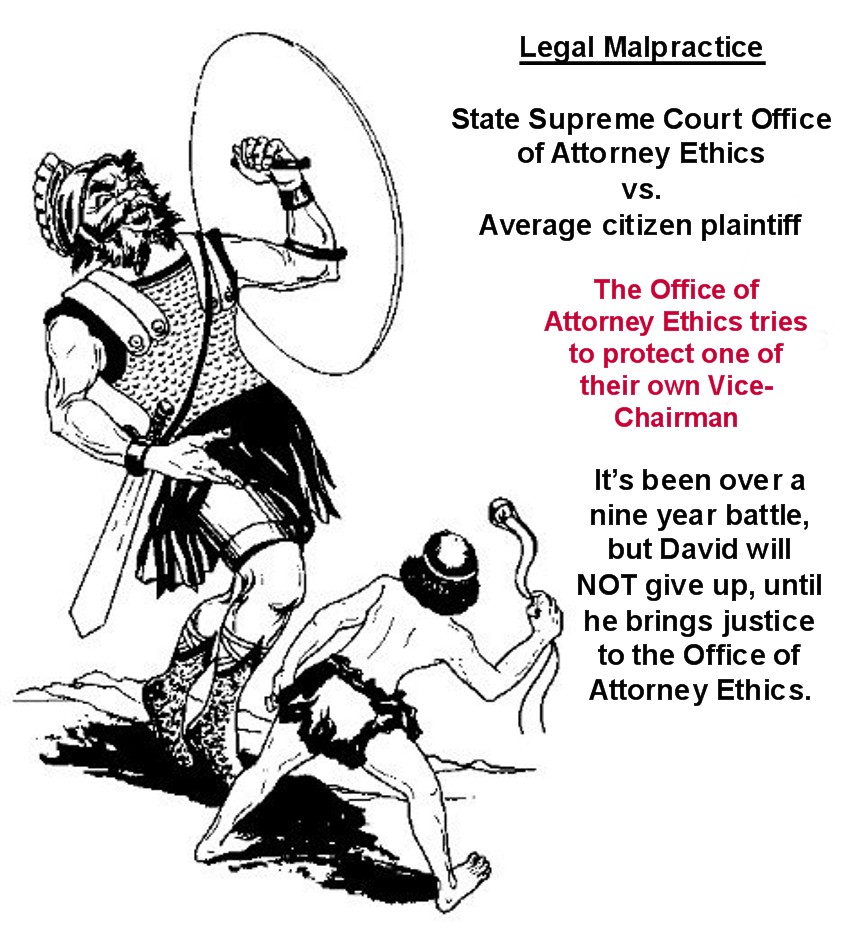
| It's going on eight (8) years of battling to bring a corrupt and powerful law firm to justice |
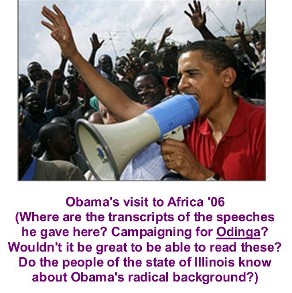
| ** BARACK HUSSEIN OBAMA II ** |
| Hillary Clinton Supporters Unite Against Barack Hussein Obama |
| ** Post-traumatic stress soars in U.S. troops: IS THIS HOW THEY WILL BE TREATED ** |
| Electrified the Senate Foreign Relations Committee with his passionate testimony against the War |
| Recall New Jersey Governor Jon Corzine. Please press here for details. |
| BIPARTISAN COMPACT ON IRAQ DEBATE |
| American soldiers in Vietnam were falsely accused of being a barbarian horde, rapists, murderer |
| MEMORANDUM TO ALL VIETNAM VETERANS |
| REMOVE JOHN KERRY FROM THE UNITED STATES SENATE |
| SPECIAL TREATMENT FOR POLITICIANS |
| WHEN IS OUR CURRENT CONGRESS GOING TO USE THE CONSTITUTION |
| DEFEATISM IN CONGRESS AND THE U.S. SENATE... |
| Appeasing North Korea |
| PUT AMERICA FIRST! Stop being a good Democrat. Stop being a good Republican. |
| John Kerry Bashes President George Bush On His North Korea Policies... |
| THREE AND A HALF YEARS OF DEFEATISM IN CONGRESS |
| IMPACT OF DEFEATISM ON AN ENEMY |
| JIMMY CARTER LEGACY CONTINUES: SENATOR JOHN KERRY'S MILITARY DISCHARGE |
| Senate Democrats plan probes into Iraq war |
| ~ DO LIBERALS THINK AMERICANS ARE STUPID OR JUST FORGETFUL... |
| SLEASY STATE POLITICS |
| BASIC HUMAN RIGHTS HEARINGS IN CONGRESS |
| ARE POLITICIANS AND PUBLIC OFFICIALS ABOVE THE LAW. |
| BILL CLINTON FREAKS OUT ON NATIONAL TELEVISION |
| THE TRUTH IS FINALLY COMING OUT TO SNEAK ARABS INTO THE UNITED STATES |
| WAR FOES ARE FALLING FOR 'ENEMY PROPAGANDA,' OR ARE THESE FOES INTENTIONALLY SPREADING IT? |
| ATTORNEY ETHICS: Is There Such A Thing... |
| Harkin defends Venezuelan President's U-N speech against Bush |
| CONGRESSMAN JACK MURTHA IS HONORED WITH THE "NEW" PROFILE IN COURAGE AWARD. |
| CONGRESSMAN JOHN MURTHA AT WAR WITH HILLARY CLINTON |
| THE STATE GOVERNOR'S ETHICS PROBLEMS |
| Formal Request For Criminal Investigation Of Elected United States Officials |
| HEAR HONORABLE SENATOR JOHN KERRY'S FIRST TIME BEFORE THE UNITED STATES CONGRESS |
| JOHN KERRY AND HIS POLITICAL ALLIES TALKING ABOUT THE WAR ON IRAQ |
| HONORABLE BILL CLINTON'S LEGACY |
| ~ DO YOU KNOW WHO THIS POLITICIAN IS... |
| WASHINGTON: Stop Federal Regulation of Internet |
| AL GORE'S REAL SUPPORTERS |
| STATE GOVERNMENT CORRUPTION |
| WHAT IS TREASON |
| IMPEACH PRESIDENT GEORGE BUSH |
| Hurricane Katrina Warning Timeline |
| HILLARY CLINTON FOR PRESIDENT |
| THE AMERICAN ANTI-WAR MOVEMENT |
| THE AMERICAN NEWS MEDIA |
| THE DEMOCRAT-LIBERAL LION EXPOSED |
| JOHN KERRY |
| "THE DECK OF CARDS OF WEASELS" |
| WORLD WAR I AMERICAN PRESIDENT |
| Anti-War Protestors Attack Honorable Vets |
|
|
|
TEDDY'S POLITICAL CAREER STARTED
EARLY
Zero, n. What Ted Kennedy got on his
Spanish A final...
http://tafkac.org/collegiate/harvard_legends.html
The myth: Sen. Edward Kennedy '54-'56 was required to withdraw for
two years after cheating on a Spanish final. He had paid someone to take the test for him, and spent the exam period hanging
out in Elsie's -- where he ran into his TF.
The truth: It wasn't Elsie's -- Elsie's didn't exist at the
time. And Kennedy didn't pay the other party to take the test for him. And he didn't personally run into the TF.
Otherwise, the story is right on.
Kennedy did get nailed for cheating. The story is told
in Burton Hersh's _The Education of Edward Kennedy_.
In the spring of 1951, freshman Teddy Kennedy has a Spanish A final
to take. One of his football teammates had a roommate who knew the language very well -- they called him "The
Master of Spanish." Someone joked that the Master should take Teddy's exam for him.
On a whim, the Master agreed. Unfortunately, the Spanish A
exam proctor recognized him. Within minutes of the exam's conclusion, Kennedy got a call from Dean of the College Delmar
Leighton's office. He was nailed: Immediate suspension, readmission to be considered after at least one year off.
Teddy ended up enlisting in the Army during his time off.
After 16 months of service, he returned to Harvard in 1953. From that point on, he trod the straight and narrow, and
graduated in 1956 with a B average.
http://tafkac.org/collegiate/harvard_legends.html
The Chappaquiddick Incident
http://en.wikipedia.org/wiki/Ted_Kennedy
On July 18, 1969, after a party on Chappaquiddick Island near the island of Martha's Vineyard, Massachusetts, Kennedy, allegedly intoxicated, drove away with Mary Jo Kopechne as a passenger in his 1967 Oldsmobile Delmont 88. According to Kennedy, he made a wrong turn onto an unlit road that led to Dike Bridge (also spelled
Dyke Bridge), a wooden bridge that was angled obliquely to the road, and drove over its side, which had no guardrail. The
car plunged into tide-swept Poucha Pond (at that location a channel) and landed upside down under the water. Kopechne died,
but absent an autopsy, discrepancies exist as to whether she drowned or suffocated. Kennedy claims he tried several times
to swim down to reach her, then rested on the bank for several minutes before returning on foot to the Lawrence Cottage, where
the party attended by Kopechne and other "boiler room girls" had occurred.
Joseph Gargan (Kennedy's cousin) and party co-host Paul Markham then returned to the pond with Kennedy to
try to rescue Kopechne. Though there was a telephone at the Lawrence Cottage, nobody called for help. When their efforts to
rescue Kopechne failed, Kennedy decided to return to his hotel on the mainland. As the ferry had shut down for the night,
Kennedy swam the short distance back to Edgartown.
Some people question his description of his escape from the car, because of his reported back troubles caused
by a 1964 airplane accident, and his claim to have been injured when the car went off the bridge.
Kennedy discussed the accident with several people, including his lawyer, before he was contacted by the police.
The next morning (July 19, 1969), a science teacher and a 15 year-old boy discovered Kennedy's car. Police Chief Dominick Arena called Kennedy
from the house nearest the bridge. Kennedy was given the news that his mother's car had been involved in a fatal accident.
Kopechne's body was discovered by diver John Farrar, who observed that a large amount of air was released from the car when
it was righted in the water, and that the trunk, when opened, was remarkably dry. These observations and others have led some
to believe that Kopechne had not drowned, but suffocated in an air pocket within the car.
The incident quickly blossomed into a scandal. Kennedy was criticized for driving drunk, for failing to come to Kopechne's aid, for failing to summon help,
for contacting not the police but his lawyer first, and for failing to report the accident to the authorities. Because of
a lack of evidence other than Kennedy's own word, allegations persist that he did not try to save Kopechne, and that he intentionally
turned onto the road crossing the bridge going to the beach in order to have sex with her.
Kennedy entered a plea of guilty to a charge of leaving the scene of an accident after causing injury. He
received a sentence of two months in jail, which was suspended. An Edgartown grand jury later reopened the investigation but did not return an indictment.
Kennedy's critics and political opponents question whether justice was served in this case. Rumors periodically
surface of a conspiracy by Kennedy and his family to alter his driving record to obviate charges of negligent homicide, and to influence the Edgartown grand jury.
http://en.wikipedia.org/wiki/Ted_Kennedy
Chappaquiddick: A
Profile in Cowardice
Although he has been a staunch advocate of abortion rights for the past 30 years, Kennedy only adopted this position after Roe v. Wade became the law of the land. Prior to that, he held a pro-life position. A letter to a constituent, dated August 3, 1971 opposes "the legalization of abortion on demand" saying that it "is not in accordance with the value which our
civilization places on human life." [citation needed] Kennedy's reversal on this issue after Roe v. Wade became a source of continuing dispute between him and
the Roman Catholic Church to which he belongs. In 1987, Kennedy delivered an impassioned speech condemning Supreme Court
nominee Robert Bork as a right-wing extremist and warning that "Robert Bork's America" would be one marked by back alley abortions
and other backward practices. Kennedy's strong opposition to Bork's nomination is commonly seen as a prominent factor
in the Senate's rejection of Bork's candidacy. Similar concerns have been raised in more recent Supreme Court nominations,
as well; it is possible that Kennedy's opposition to Bork set a precedent. In recent years, he has argued that much
of the debate over abortion is a false dichotomy. Speaking at the National Press Club in 2005, he remarked, "Surely, we can all agree that abortion should be rare, and that we should do all we can
to help women avoid the need to face that decision." [4]
Ted Kennedy was a strong supporter of the 1965 Hart-Celler Act which dramatically changed US immigration policy. [5] "The bill will not flood our cities with immigrants. It will not upset the ethnic mix of our society. It will not relax the
standards of admission. It will not cause American workers to lose their jobs." (U.S. Senate, Subcommittee on Immigration
and Naturalization of the Committee on the Judiciary, Washington, D.C., Feb. 10, 1965. pp. 1-3.). Kennedy is now the ranking
Democrat on the Senate Committee on Immigration, and remains a strong advocate of high levels of immigration.
War On Terrorism
Though a supporter of the American-led 2001 overthrow of the Taliban government in Afghanistan, Senator Kennedy is a vocal
critic of the American-led 2003 invasion and subsequent occupation of Iraq. He has also been a harsh critic of the way the
war was planned and conducted by the Bush Administration.
Of particular concern to Sen. Kennedy is the U.S.A.'s treatment of the prisoners taken in the War on Terrorism. Applying standards of human rights that are available to all Americans, he believes there should be no difference between
the treatment of accused terrorists and the treatment of accused criminals in the U.S.A., such as the right to a speedy trial
(or the suspect should be released), and the right to legal representation.
Wikisource has original text related to this article:
On September 27, 2004, Sen. Kennedy made a speech on the Senate floor regarding the war in Iraq, just prior to the 2004
U.S. Presidential election. [10]
The accident at Chappaquiddick, along with continuing allegations of heavy drinking, drug use, and womanizing have haunted
Kennedy's reputation and hampered his political career through the decades since it transpired. He withdrew in 1974 from the 1976 presidential race and failed in a 1980 primary challenge to Jimmy Carter. Critics have specifically pointed to allegations that he and fellow Senator Christopher Dodd assaulted a waitress at Washington DC's La Brasserie restaurant in 1985 and a night of barhopping in 1991 with his nephew William Kennedy Smith which culminated in Smith's trial and acquittal for rape.
In 1991, during the Clarence Thomas hearings, Kennedy's career reached what has been called a low ebb. Journalist Anna Quindlen wrote that he "let us down because he had to; he was muzzled by the facts of his life." The Boston Globe, editorialized that his "reputation as a womanizer made him an inappropriate and non-credible" critic of Thomas.
Ted Kennedy's Club Discriminated
http://www.newsmax.com/adv/kennedy/?PROMO_CODE=19E6-1
When Ted Kennedy tried to chastise Supreme Court nominee Samuel Alito for his one-time membership in a
group opposed to admitting more women and minorities to Princeton, the pot was calling the kettle black.
Sen. Kennedy still belongs to a social club for Harvard students and alumni that was thrown off campus
nearly 20 years ago after refusing to allow female members, an investigation by the Washington Times reveals.
|

|
The book Ted Kennedy
doesn't want you to read - Go Here Now. | |
According to the membership directory of the Owl Club, Kennedy updated his personal information as recently
as September 7.
Ironically, the Owl Club, long reviled at Harvard as "sexist," was evicted from the campus in 1984 for
violating federal anti-discrimination laws authored by Kennedy.
"It's a social club. It's like a fraternity."
But according to the Times, Harvard views organizations such as the Owl Club quite differently from fraternities
and sororities, which are considered a form of housing and therefore are not coeducational.
Kennedy's hypocritical attack on Alito over his membership in CAP would come as no surprise to readers
of the blockbuster new book "Do As I Say (Not As I Do): Profiles in Liberal Hypocrisy" by bestselling author Peter Schweizer.
In his book Schweizer discloses that while Kennedy has fought for the estate tax and spoken out against
tax shelters, he has repeatedly benefited from an intricate web of trusts and private foundations that have shielded most
of his family's fortune from the IRS.
One Kennedy family trust wasn't even set up in the U.S., but in Fiji.
Schweizer also reveals that while Kennedy has championed the development of alternate energy sources,
he opposed a plan to build a wind-power generating facility to provide clean, cheap power to Cape Cod.
The reason: The wind turbines would be positioned off the coast from the Kennedy compound in Hyannis,
in one of the family's favorite yachting and sailing areas.
|
|
|
|
Please press the above picture to link to the details.
Why is the Left trying to deny average Americans
their due rights...
In a vet's 9 year battle against a corrupt
law firm, his constitutional rights and due process
are denied under the law, by deception.
State Government High Level Officials are protecting the law firm.
USS ARIZONA Marine Remembrance At Pearl Harbor
UPDATE: We saved the Marine
Corps Rememberance Memorial in Pearl Harbor From The National Park Service.

UPDATE: A couple
of years ago, I was the Operations Officer for the Pearl Harbor Visitor Center, on the waterfront between the USS ARIZONA
and the USS BOWFIN. The Commandant of the Marine Corps was the featured speaker at the dedication of the USS ARIZONA Marine
Remembrance, 10 November 2006. The National Park Service, which administers the USS ARIZONA Memorial is renovating all of
Halawa Landing, the site of the Marine Remembrance. The Regional Director of the Natl Park Service Western Region, Jon Jarvis,
stated on the local TV news that the Marine Remembrance would be removed. I challenged him on that statement and convinced
him that would not happen without a fight. I passed the word to (disabled vet and webmaster) Jack Cunningham (Americans
Working Together), who in turn asked his readership to email Jarvis that the entire USMC would make every effort to have him
relieved of his duties if he moved that monument. I was copied on many of the emails to him from Marines, their friends and
their families that it nearly fried my computer. And...it worked. In order to save his job, Jarvis backed down. The
Remembrance now belongs to the USMC and has its' rightful place in direct view of the USS ARIZONA.
|
COLONEL JOHN BATES |

|
SECOND
REQUEST:
Dear Senator Oroho,
I'm writing this request (again) on behalf of Jack Cunningham, a former
active duty Marine and Vietnam veteran. Although I've never actually met him in person, simply the fact that he is a
fellow Marine in need of justice, I offer to help him in any way I can. As you may know, Marines are like that.
Marines take care of Marines.
Although I probably don't know all of the facts pertaining to his case against the State
of New Jersey, I know enough to firmly believe that he should be heard in a public forum. His charges are serious.
There are claims of abuse of power and cover-up at the highest level of the State government. When such accusations
are made, I believe the leadership has no other option than to investigate. Until that is done, all that know of him
and his charges will assume that there is indeed a cover-up. Perception is a powerful thing. Hopefully it won't
be counter to the truth, whatever that may be.
If this is allowed to continue to fester, the results will be devastating
on all involved.
If this issue is not addressed soon, my only other option is to forward this to every Marine
website and public forum I can find. That option is not a good one for any of us.
Please do the right thing and
give Jack his "day in court."
Very Respectfully, John R. Bates
EVIDENCE AND DETAILS
AT: http://www.americans-working-together.com/attorney_ethics/id73.html
---------------------------------------------
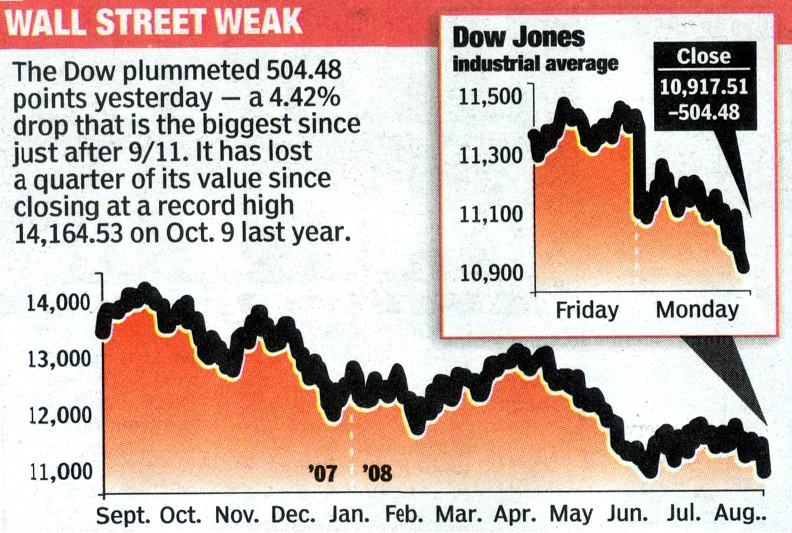
The DOW Closed At A Record High 14,164.53 On
Oct. 9, 2007.
What has the United States Congress Been Doing
Since Then...
Who have been working on solutions and Who are
part of the Problem?
How has America improved
since the Democrat Party took POWER in the United States Congress?
NEWSPAPER ARTICLE ON WEBMASTER JACK
CUNNINGHAM AND HIS U.S. MARINE BUDDY GEORGE DROS.
HOLLYWOOD NEWS: Oliver Stone recruits Bruce Willis
for My Lai massacre film
Try to figure
out, which house belongs to which politician and celebrity:
George Bush,
Jr., Al Gore, John Edwards, John Travolta and Oprah
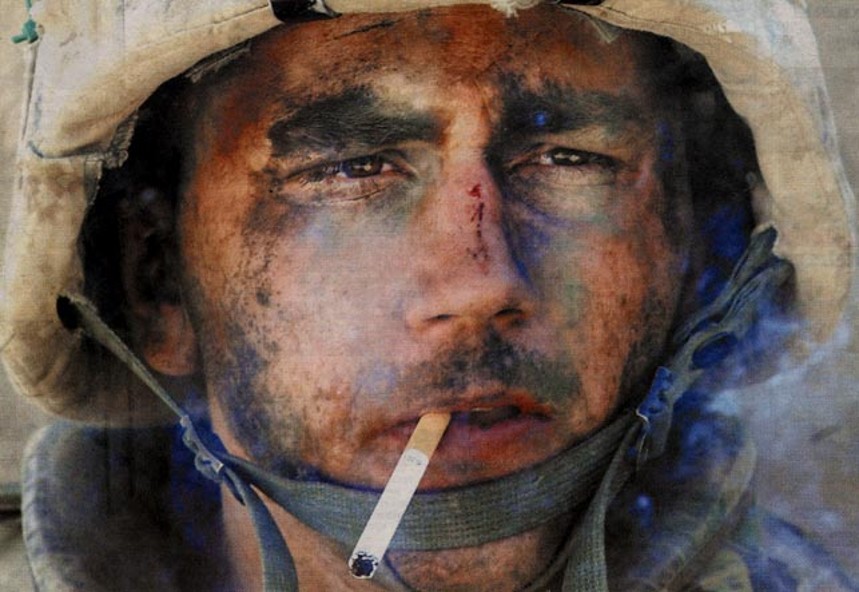
"I was exceptionally proud of that Marine," says Gunnery Sgt. Scott Guise.
SENATOR JOHN KERRY'S
MILITARY DISCHARGE - THE JIMMY CARTER LEGACY CONTINUES
(It's
not about what John Kerry did while serving in Vietnam. It's about what Kerry said, and did after.)
UPDATE ON THIS MARINE BELOW
| PLEASE
PRESS THE PICTURE TO READ THE STORY |
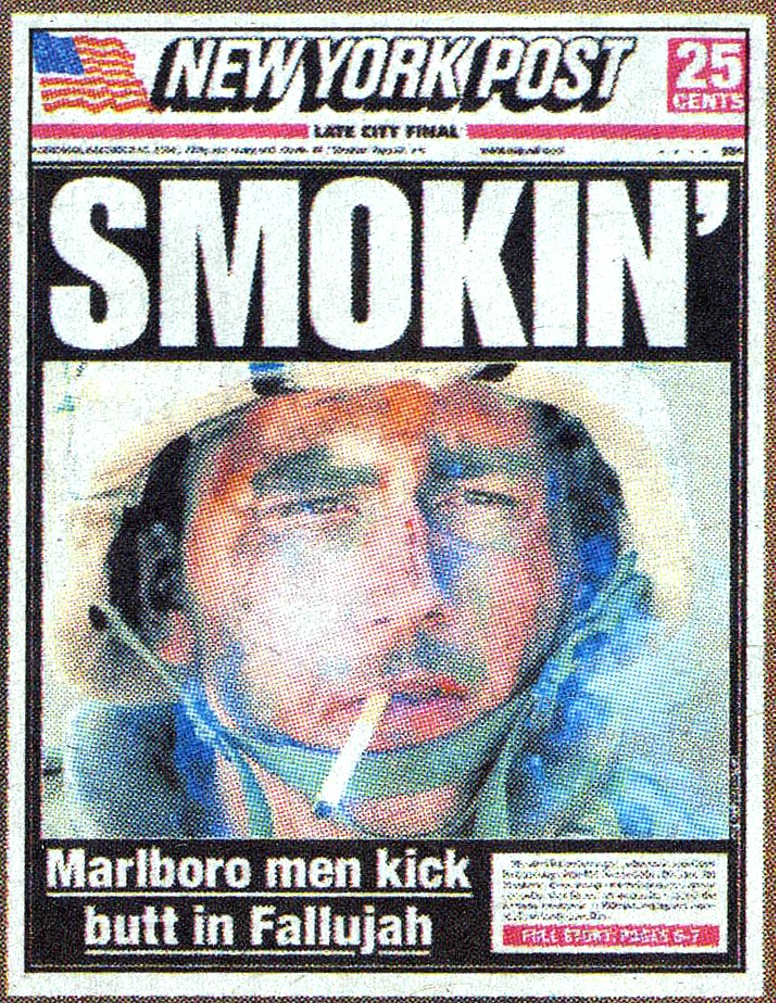 |
For another Update, please press the below picture.
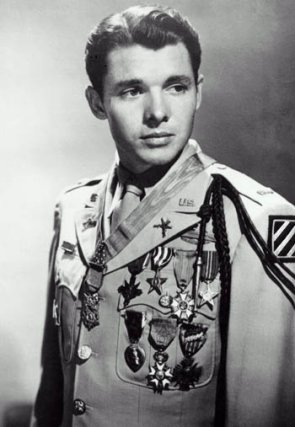
Audie Had It. Press His Below Picture For Details.
ACTION
ALERT: GOING AGAINST A CORRUPT POLITICAL MACHINE
|
PLEASE PRESS THE PICTURE FOR A LARGER COPY |
|
|
|
PLEASE PRESS THE PICTURE FOR A LARGER COPY |
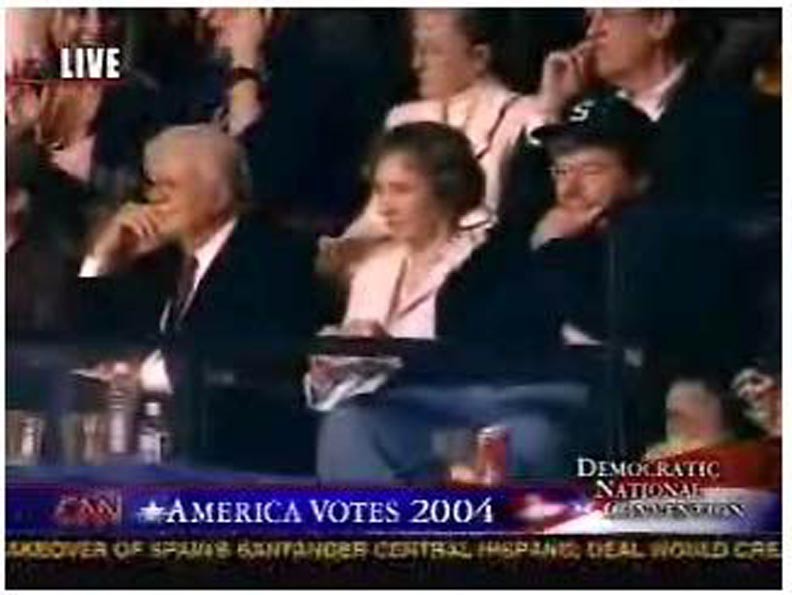
The Democrat Leaders are so desperate to pull the plug on
ABC's 9-11 mini-series, yet these same Democrat Leaders loved Michael Moore's version of 9-11. During the Democrat
Convention, Michael Moore sat right next to Former Democrat President Jimmy Carter. The convention even gave Michael
Moore a standing ovation to honor him.
POLITICIANS IN BOTH MAJOR PARTIES
SCREAM THAT THERE IS NOT ENOUGH MONEY IN AMERICA'S SOCIAL
SECURITY SYSTEM.
YET...
THE
UNITED STATES SENATE GRANTED SOCIAL SECURITY BENEFITS TO ILLEGAL ALIENS,
WHILE CONGRESS PLANNED TO CUT MILITARY VETERANS SOCIAL SECURITY
DISABILITY BENEFITS. (BENEFITS FOR DISABILITIES THE VETERANS RECEIVED
DEFENDING AMERICA.)
(This can only happen in American politics.)
BILL CLINTON WILL GO DOWN IN WORLD HISTORY
WITH ROME'S NERO...
Bill Clinton's legacy is now set in stone. (And it just sank to the muddy and slimy bottom of the
Hudson River, where it belongs.)
"Cut Benefits for Vets."
Veterans' Disability Benefits Commission Set Up By Leaders of Congress.
ARE YOUR FEDERAL POLITICIANS
SUPPORTING THIS COMMISSION'S GOALS TO FIND WAYS TO CUT VETERANS
BENEFITS?
The Man Who Predicted 9-11
THE DEMOCRAT-LIBERAL
LION EXPOSED
John Forbes
Kerry Timeline
BILL CLINTON'S TIMELINES
|
"THE
DECK OF CARDS OF WEASELS" |
|
 |

|
WebMaster and Proud Vietnam Veteran Jack Cunningham
and his wife, Joan
Sussex, New Jersey |
 |
READ SOME OF JACK'S EXPERIENCES OF
SERVING AND LIVING (24/7) IN A VIETNAMESE PEASANT-FARMING VILLAGE; UNDER
THE MARINE CORPS' COMBINED ACTION PROGRAM (CAP).
http://www.CapVeterans.com
| PLEASE PRESS THE PICTURE TO READ THE STORY |
|
|
PLEASE PRESS THE PICTURE TO READ THE STORY
In spite of my PTSD, chronic pain from a May
1970 terrorist bomb blast, PTSD and Vietnam Vet Stigmas, if given the chance I would proudly and honorable serve again in
the United States Military. Jack Cunningham http://www.CapVeterans.com
GOD BLESS AMERICA |
| PRESS FOR A LARGER COPY |
|
| PRESS FOR A LARGER COPY |
PLEASE PRESS THE ABOVE PICTURE
FOR AN UPDATE ON THE MARINE.
"There is... a deep anti-military bias in the media.
One that begins from the premise that the military must be lying, and that American projection of power around the world must
be wrong. I think that that is a hangover from Vietnam, and I think it's very dangerous."
-- Terry Moran, Chief
ABC White House Correspondent
|
|
|
|